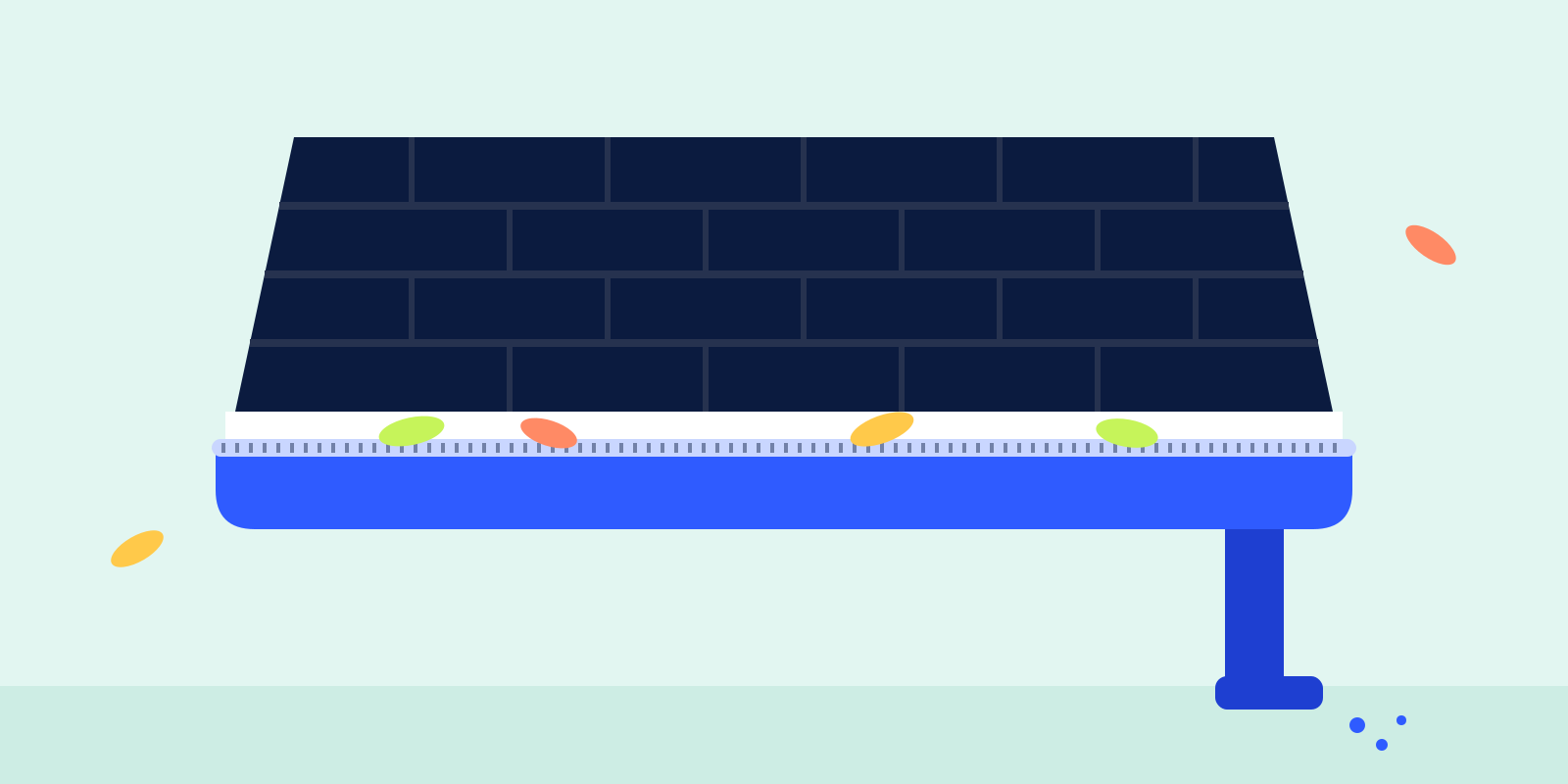
Types of gutter guards
- Micro-mesh: a fine stainless steel mesh that blocks nearly everything; the most effective option overall
- Screens: perforated metal or plastic; inexpensive, but small debris gets through
- Reverse-curve (surface tension): water wraps around a curved hood while leaves slide off
- Brush: bristles sit inside the gutter; easy to install, but they trap debris
- Foam: fills the gutter; cheap, but can clog and even grow plants over time
Who benefits most
- Homes surrounded by trees, especially pines
- Two- and three-story homes where cleaning is dangerous
- Homeowners who can't or don't want to climb a ladder
- Homes with a history of overflow, fascia rot, or basement leaks
Pros and cons
The upside: fewer cleanings, less risk of overflow and water damage, and fewer ladder climbs. The downside: professional systems carry a real upfront cost, some types can overflow in very heavy rain, and debris still collects on top and needs occasional attention.
DIY or professional install?
DIY kits cost a fraction of professional systems and work fine on single-story homes with gutters in good shape. Professional installation often includes cleaning, repairs, and re-pitching your gutters, and usually comes with a longer warranty. That's worth considering for taller homes or heavily wooded lots.
Questions to ask before you buy
- What does the warranty cover: clogging, materials, or both? Is it transferable?
- Will installation affect my roof warranty? Some guards slide under the shingles.
- How much rainfall per hour can the system handle?
- Are gutter cleaning and repair included?
Editorial note: HomeJolly may earn a commission when you request quotes through links on this page. Prices are estimates and vary by location and home. This article is general information, not legal, tax, insurance, or financial advice.